-
Unleashing the Restful Warrior: Conquering the Frustrations of Resting When You’re Accustomed to an Active Lifestyle

Resting when you’re sick is often recommended for a speedy recovery. However, for individuals who are used to being active and productive, the idea of resting can feel frustrating and unsatisfying. I’m writing this today because I’ve been sick the last 2 days and I’m trying to get myself into a place where I can embrace the downtime. It’s hard. My meditation is physical activity and I’ve been stuck inside! In this blog post, we will explore the reasons why it can be challenging to embrace rest when you’re accustomed to an active lifestyle and provide insights on how to navigate this struggle effectively.

- Reduced Physical and Mental Stimulation: When illness strikes, our activity levels naturally decrease. The reduced physical and mental stimulation can leave us feeling restless and bored, particularly if we’re used to being engaged in various activities. The lack of stimulation can magnify the perception that resting “sucks.” To combat this, explore alternative ways to stimulate your mind, such as reading books, listening to podcasts, or engaging in light creative activities that don’t strain your body.
- Break in Routine: Being sick disrupts our regular routines, which can be unsettling for those accustomed to a structured lifestyle. Suddenly shifting from being active and productive to resting and recuperating can feel disorienting and leave us with a sense of unproductivity. To cope with this, establish a modified routine that incorporates elements of rest, self-care, and low-intensity activities. Having a semblance of structure can help alleviate the discomfort of a disrupted routine.
- Loss of Control: Illness often forces us to slow down and rely on others for assistance. This loss of control over our activities and the feeling of dependency can be frustrating, especially for individuals who value their autonomy. It’s crucial to recognize that accepting help and allowing ourselves to rest is not a sign of weakness, but rather a necessary step toward healing. Embrace the support around you and use this time to practice self-compassion.
- Fear of Falling Behind: If we have responsibilities or commitments that need to be put on hold due to illness, the fear of falling behind or not meeting deadlines can weigh heavily on our minds. It’s essential to communicate with those affected by the situation and prioritize self-care. By focusing on your recovery, you’ll be better equipped to tackle your obligations once you’re back to full health. Remember, your well-being should take precedence over any temporary setbacks.
- Impatience for Recovery: Active individuals often have a strong desire to bounce back quickly. Resting can sometimes feel counterproductive, leading to impatience and a temptation to push through the illness rather than allowing ourselves the necessary time to heal fully. It’s important to recognize that rest is an integral part of the recovery process. Embrace this period as an opportunity to nurture your body and mind, knowing that it will ultimately facilitate a faster and more complete recovery.
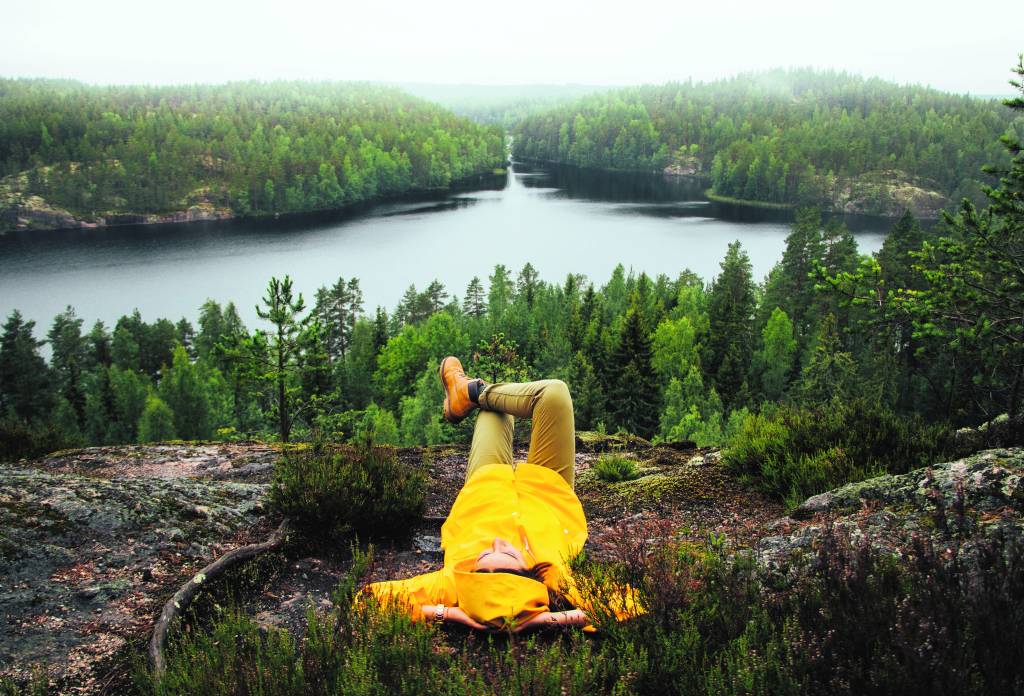
Conclusion: While it may be challenging to embrace rest when you’re accustomed to an active lifestyle, it’s crucial to prioritize your well-being during times of illness. By understanding the reasons why resting can be difficult and implementing strategies to navigate this struggle effectively, you can embrace the healing power of rest without feeling frustrated or unproductive. Remember, allowing yourself the necessary time to recover fully will not only benefit your health but also contribute to your long-term productivity and overall well-being.
-
Harnessing the Power of Exercise: A Holistic Approach to Boys’ Mental Health
Friends, we’re living in an era where our world is expanding and competition is intensifying – not just within our own neighborhoods, but on a global stage. Our American kids are battling it out with bright minds from India, China, and beyond for jobs and resources. It’s no wonder we’re eager to offer our children every possible advantage.You want your child in the best schools, soaking up knowledge, sweating hard work, and acing those report cards. You want them to head into the world armed with the tools to conquer whatever challenges they face. So, if your boy is having difficulty staying focused, it’s only natural to consider medication that promises to boost concentration. If a doctor recommends it, it must be safe, correct?
However, we must pause and question – are there alternative routes to this destination? Have we, as a collective, tacitly decided to medicate our kids with stimulants in an effort to edge out the competition? Is this really the optimal path we want to tread?
I believe it’s crucial to remember that boys, by their very nature, are bundles of energy. Maybe our focus needs to shift towards creating more opportunities for physical activities for our young ones. This could be the transformative change our children need, and it might just set them on a healthier, more balanced path to success.
I recently stumbled upon a study that illuminated the compelling efficacy of physical exercise in treating depression and anxiety, it resonated with me deeply. We’re all aware of the physical advantages of exercise, but its psychological benefits are often overlooked. It releases endorphins, our brain’s natural mood elevators, making exercise a kind of natural antidepressant.
But just how effective is exercise compared to medication when it comes to mental health?
A meta-analysis led by Cooney et al. in 2013 drew an intriguing conclusion: exercise can be a potent remedy for depression, with effects similar to antidepressant medication. Equally fascinating, a study by Wipfli, Rethorst, and Landers[^6^] indicated that exercise significantly alleviates symptoms of anxiety.
So why am I so fixated on exercise as a first-line treatment, especially for young boys?
Well, it’s simple. First, physical activity instills healthy lifestyle habits that can protect against various health complications down the line. It improves self-esteem and body image, critical to a young boy’s mental well-being. And let’s not forget the undeniable stress relief and social interaction it provides, especially with team sports.
Now, the important thing here is not to demonize medication. It has its place, and it has proven to be a lifeline for many. But as fans of my work know, I’m always in pursuit of methods that offer broad, systemic benefits with minimal side effects. And here, my friends, exercise outshines medication. It provides lasting benefits that extend far beyond the cessation of an exercise routine, unlike medication whose effects typically wear off once it’s discontinued.
In conclusion, our objective isn’t just to manage symptoms, but to empower boys to grow into healthy, balanced adults. The role of exercise extends beyond immediate relief and instills a habit of wellness that can shape a lifetime. It’s high time we lace up our running shoes before reaching for the prescription pad.
Remember, this is a complex issue, and professional consultation is always key. Exercise should be viewed as a powerful supplement to a treatment plan, not a replacement for professional help when it’s needed.
- National Institute of Mental Health – Anxiety Disorders: https://www.nimh.nih.gov/health/topics/anxiety-disorders/index.shtml
- Medical News Today – Exercise vs Medication: https://www.medicalnewstoday.com/articles/is-exercise-more-effective-than-medication-for-depression-and-anxiety
- Mayo Clinic – Exercise: 7 benefits of regular physical activity: https://www.mayoclinic.org/healthy-lifestyle/fitness/in-depth/exercise/art-20048389
- WebMD – Exercise and Depression: https://www.webmd.com/depression/guide/exercise-depression
- Cooney et al. – Exercise for depression: https://www.ncbi.nlm.nih.gov/pmc/articles/PMC3772979/
- Wipfli, Rethorst, Landers – The Anxiolytic Effects of Exercise: A Meta-Analysis of Randomized Trials and Dose-Response Analysis: https://pubmed.ncbi.nlm.nih.gov/18785356/
- Centers for Disease Control and Prevention – Benefits of Physical Activity: https://www.cdc.gov/physicalactivity/basics/pa-health/index.htm
- HealthyChildren.org – Physical Activity Improves Quality of Life: https://www.healthychildren.org/English/healthy-living/fitness/Pages/Physical-Activity-Improves-Quality-of-Life.aspx
-
The Power of Perseverance: How These Great People Overcame Adversity to Achieve Success
We all face challenges in life, but what sets great people apart is their ability to push through adversity and come out stronger. In this post, we’ll explore the inspiring stories of Alexander the Great, Franklin D. Roosevelt, Nelson Mandela, and sports legends like Michael Jordan and Drew Brees, who overcame obstacles and achieved greatness.
Alexander the Great
Alexander the Great was a Greek king and military commander who conquered much of the known world in the 4th century BC. Despite the challenges he faced, Alexander remained a fearless and determined leader who was able to inspire his troops and overcome seemingly insurmountable obstacles. Some of the challenges he faced include:
- His father was assassinated when he was 20 years old.
- His army had to endure extreme temperatures, dangerous wildlife, and difficult terrain as they made their way across vast distances.
- His conquests took him through harsh and unforgiving environments, including deserts, mountains, and swamps.
Franklin D. Roosevelt
Franklin D. Roosevelt was the 32nd President of the United States and is widely regarded as one of the greatest American presidents in history. He led the United States through some of its greatest challenges, including the Great Depression and World War II. Throughout his presidency he launched Social Security which was a safety net for older folks, a work program that put millions of people back to work and the FDIC which helped protect people from bank failures. Despite his achievements, Roosevelt faced significant challenges throughout his life, including:
- Contracting polio at the age of 39, which left him paralyzed from the waist down.
- Facing skepticism from many Americans who believed he couldn’t effectively lead the country from a wheelchair.
Nelson Mandela
Nelson Mandela spent 27 years in prison as a political prisoner fighting against apartheid in South Africa. He endured brutal imprisonment and isolation, confined to a tiny cell and forced to do hard labor in the blazing sun. Raised in a regime that removed black people from their homes in mixed-race neighborhoods and resettled them in townships on the outskirts of cities, he fought tirelessly to end apartheid and bring about reconciliation and unity in South Africa.
Sports Legends
There are tireless examples of people in sports who overcame adversity. Michael Jordan didn’t make his high school team and went on to lead the Bulls to six rings and lead the conversation as the greatest of all time. Drew Brees tore his shoulder in San Diego and it was thought he’d never play football again. He went on to win a Super Bowl and was one of the greatest quarterbacks of this generation. Muhammad Ali lost 3.5 years of boxing because he refused to fight in Vietnam. Mario Lemieux came back and led his team to the Stanley Cup after being diagnosed with Hodgkin’s lymphoma.
No matter what obstacles you’re facing, remember that you have the power to overcome them. Take inspiration from these great people and never give up on your dreams.
-
Life Skills that Should be taught in school – Financial Management

“To be or not to be, that is the question.” How about to be broke or not be broke? I’ve never in my life had to go back to the lessons of Shakespeare when making an important decision, but you bet your bottom dollar that I’ve had to know the basics of finance to live!
Financial management includes skills such as budgeting, saving, investing, and managing debt. I’m going to try and keep all of this fairly high level and we can deep dive each of these skills in a separate post. For now, let’s get tot he basics of Financial management skill that should be taught to children in schools.
- This is how you create your budget
- Know your income: Start by figuring out how much money you have coming in each month. ALL OF IT.
- Identify your fixed expenses: Monthly bills that don’t vary, such as rent or mortgage payments, car payments, and insurance premiums.
- Identify your variable expenses: Bills that can change from month to month, such as groceries, utilities, and entertainment (Watch this one closely).
- Track your spending: For a few weeks and then a few months, keep track of all the money you spend, ALL OF THE MONEY. This will help you see where your money is going and identify areas where you may be able to cut back (I’m looking at you fancy dinners & club nights!).
- Create a budget: Use the information you gathered to create a budget that outlines your income and expenses. Make sure to allocate enough money to cover your fixed expenses and to set aside money for savings.
- Set fun money aside in your budget. Live your life, just don’t sacrifice your future! Call it, My Fun Money.
- Stick to your budget: Once you have created a budget, try to stick to it as closely as possible. This requires discipline..
- Review your budget regularly: If it ain’t tracked, it doesn’t matter.
- Saving – The process of setting aside a portion of your income for the future, rather than spending it all
- Open a checking and savings account with a bank that will also give you a free brokerage account
- From your budget, pay yourself. Seriously, you always need to save a portion of your income for your future self. Sacrifice other shit to do this if necessary. I personally like to have my cash needs in checking, emergency reserves in savings or short term TBills (see brokerage account) and then all else in my brokerage account.
- Set financial goals: Identify what you want to save for, such as an emergency fund, a down payment on a house, a trip, a lifestyle, a car or retirement. Money, like everything else, requires a plan.
- Automate your savings: Set up automatic transfers from your checking account to a savings account & brokerage. Stop yourself from forgetting.
- Cut expenses: Look for ways to reduce your expenses, such as by negotiating bills or shopping around for the best prices.
- It’s OK to negotiate, it’s money in your pocket or theirs.
- Increase your income: Consider ways to increase your income, such as by asking for a raise at work or starting a side hustle.
- Know your worth and don’t be afraid to get more.
- Save your windfalls: When you receive unexpected money, such as a bonus or a tax refund, put it into savings rather than spending it.
- Avoid debt: Debt can be a major drain on your finances, so try to avoid taking on unnecessary debt whenever possible. (See Below, not always bad)
- Open a checking and savings account with a bank that will also give you a free brokerage account
- Investing – The act of putting money into financial assets or other resources with the expectation of earning a profit or growing your money in the future. Before doing this, there’s a few things you need to know. This is a VERY basic outline, we’ll deep dive these lessons in future posts.
- Risk Tolerance – Investing comes with the potential to lose. You’ll hear it said, high risk, high return. The flip side of this is high risk, lose it all!
- A very famous investor, Warren Buffet once said, “there are two rules to investing. First, never lose money. Second, never forget rule one!”
- How much risk are you willing to take?
- Choose your investments (Building your porfolio): There are many different types of investments, including stocks, bonds, real estate, and small businesses.
- Stocks are bets on a company’s future success.
- There are two primary ways you can make money on this investment.
- Fellow investors believe this company will continue to do better and they’ll buy the stock, thus, increasing demand and lowering the supply available. This will push the price up.
- The company you invest in pays back parts of it’s profits to shareholders (people who own the stock) in terms of a dividend and you can accumulate dividend payments over time.
- There are two primary ways to invest in stocks
- Bet on individual company’s
- If you believe a company is going to be successful in the future ie you see a bunch of your friends buying a certain company’s product – you can buy shares in that company
- Buy a bunch of stocks through index funds or mutual funds (ask your mother Jameson!)
- My recommended philosophy is buy the indexes. The S&P 500 is a basket of 500 American stocks. You are betting on the success of US Business. As of January 2023, I think it’s still a good long term, set it and forget it bet!
- Bet on individual company’s
- The Risk: You could lose your money if the value of the stock goes down. If the company goes bankrupt, you could lose your total investment in that company.
- There are two primary ways you can make money on this investment.
- Bonds – Lending money to companies or governments
- Just like when you give put your money in a bank and gain interest, you can lend money to companies or governments for a set interest rate.
- Just like stocks, there are two primary ways to invest in bonds.
- Buy direct: You can buy bonds from the government direct or you can buy company bonds through a brokerage account.
- Through a basket of bonds through Exchange Traded Funds or managed Mutual Funds.
- This spreads your risk so you aren’t at the mercy of one company or government.
- The Risk: A company or government could “default” on their debt and you lose the money you lent to them
- Real Estate – Investing in real estate involves the purchase, ownership, management, or sale of real estate property for the purpose of generating a profit. (I’m purposely keeping this simple for the blog post here!)
- There are several types of real estate investments, including residential properties (such as single-family homes and apartments), commercial properties (such as office buildings and retail spaces), and raw land. Each type of investment has its own set of risks and potential returns.
- There are 2 common ways to invest in real estate when you are getting started
- Buy a property and rent that property out for a dollar amount higher than your monthly expense to own and maintain
- Buy a property that you think could sell for more than you are buying it for, especially if you make improvements to the property.
- The Risk: You could be stuck holding onto and paying into a property that isn’t making money and losing you money
- Stocks are bets on a company’s future success.
- Risk Tolerance – Investing comes with the potential to lose. You’ll hear it said, high risk, high return. The flip side of this is high risk, lose it all!
- Debt Management
- It’s inevitable that you are going to accumulate debt at some point in your life. This could be student loans, car loans, mortgage, credit cards, etc… Here’s a few steps to manage that debt and hopefully, pay it off!
- Make a list of your debts: Gather all of your bills and statements and make a list of your debts, including who you owe, interest rates, and minimum monthly payment for each debt.
- Prioritize your debts: Consider which debts are most important to pay off first. For example, you may want to focus on high-interest debts or debts with late fees first.
- Create a budget: A budget can help you understand your income and expenses and identify areas where you may be able to cut back on spending. Use your budget to allocate funds towards paying off your debts. Of course, remember savings, pay yourself first!
- Make more than the minimum payment: Pay more than the minimum payment on your debts each month, if possible, pay it all off! This can help you pay off your debts more quickly and save on interest.
- It’s inevitable that you are going to accumulate debt at some point in your life. This could be student loans, car loans, mortgage, credit cards, etc… Here’s a few steps to manage that debt and hopefully, pay it off!
- This is how you create your budget
-
I have never had to use Shakespeare – A focus on REAL Life Skills

As a grown man, there are a lot of life skills that you are not taught in school. This is unfortunate. Never in my life have I had to use Shakespeare, never. However I spent hours and hours in class and outside of class reading and analyzing his writing.
Maybe, just maybe, it’s time to start thinking about teaching life skills first and liberal arts skills last. Education should be approached like Maslow’s Hierarchy of needs. Maybe we should teach people how to survive before trying to get to enlightenment. Schools are taking the wrong approach.
Over the next series of HTBGM, we’re going to focus on life skills. I think the following 10 life skills are a great place to start. Let’s get you focused on the things that matter and save Shakespeare for a depressing, rainy, English day!
- Financial management: Budgeting, saving, investing, and managing debt.
- Health & Fitness: How to feed yourself and take care of your body
- Communication: Verbal and nonverbal communication skills, as well as the ability to listen actively and effectively convey ideas.
- Problem-solving: The ability to identify problems, generate solutions, and make decisions.
- Conflict resolution: This includes the ability to handle conflicts and disputes in a constructive and meaningful way.
- Interpersonal skills: This includes the ability to establish and maintain relationships with others, as well as to work effectively as part of a team.
- Survival Skills: How to take care of yourself when there’s no one else to take care of you and / or when shit goes down.
- Business Skills: How to survive and thrive at the workplace.
- Basic home maintenance: This includes skills such as changing a tire, fixing a leaky faucet, or replacing a light fixture.
- Emergency preparedness: This includes knowing how to respond to emergencies and natural disasters, and having a plan in place for these types of events.
-
Step-by-step instructions on how to build a fire
At some point in your life, you may have to build your own fire. The reasons could range from best case, you’re out camping with friends, to worst case, you have to create your own heat source because you can no longer rely on public utilities. Either way, the self reliance of building a fire is a very important task. Fire can be a source to cook food, keep you warm and alert others of your presence. It can also keep predators away if you are in a dangerous forest or woods. I hope you only ever need these instructions for fun.
Gather materials: You will need firewood, kindling (small, dry twigs and branches), and a box of matches. It is also a good idea to have a fire pit or fireplace in which to build the fire.

Clear a space for the fire: Make sure the area where you plan to build the fire is clear of any flammable materials and is a safe distance from any structures or trees.
Build a fire pit: If you are using a fire pit, make sure it is properly constructed and has a ring of rocks or metal around it to contain the fire. If you are using a fireplace, make sure the chimney is open and the flue is functioning properly.

Arrange the kindling: Place the kindling in a teepee shape in the center of the fire pit or fireplace, with the larger sticks on the bottom and the smaller sticks on top. Leave enough space between the sticks to allow for airflow.
Add the firewood: Arrange the firewood in a log cabin shape around the kindling, with the larger logs on the bottom and the smaller logs on top. Leave enough space between the logs to allow for airflow.
Open the matchbox: Take a few matches out of the matchbox and hold them in your hand, ready to use.
Light the match: Strike the match against the rough surface of the matchbox to ignite it. Hold the lit match near the base of the kindling, allowing the flame to catch and spread.
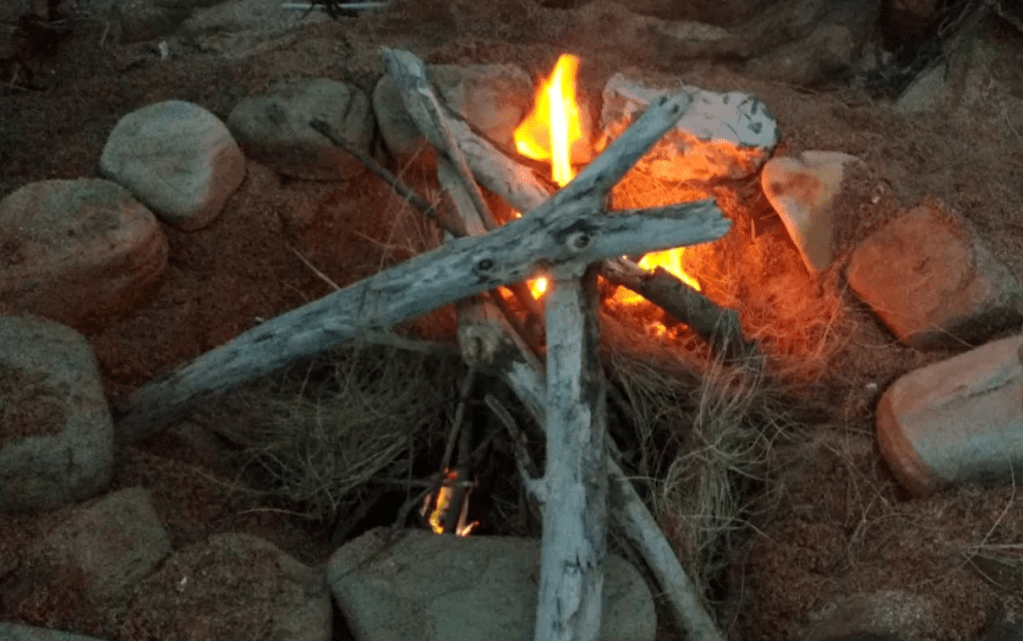
If you are having difficulty lighting the fire, you may need to use more kindling or add a small amount of paper or cardboard to help it catch. Another great tool is lint from a clothes dryer. Be sure to use caution when working with matches and open flames.
Maintain the fire: Once the fire is established, it is important to keep it well-ventilated and properly fed with additional firewood as needed to keep it burning. Do not leave the fire unattended, and be sure to extinguish the fire completely when you are finished using it.

-
Book Review – The Rise and Fall of the Third Reich by Willam Shirer

The Rise and Fall of the Third Reich is a comprehensive and engrossing historical account of the Nazi regime in Germany. Written in 1960, just 15 years post war, by William Shirer, a journalist who covered Germany during the time period. The book offers a firsthand perspective on the events that led up to World War II and the fall of the Nazi Party. It’s intense, long and not for the faint of heart. It’s also a necessary read for anyone that wants a detailed understanding of how a man, hitler, his party, the Nazi Party and an ideology, racial purity led the world into its deadliest war, ever (est 50+ million).
This book is not for the faint of heart. It’s a very long deep dive that is meticulous in it’s research and attention to detail. Shirer draws upon a wide range of sources, including primary documents, interviews, and published works, to provide a well-rounded view of the events of the time. I think what the book does a great job at illustrating is what happened to humanity during this time period.
The book does a great job at answering the following questions:
- How did Hitler rise to power?
- Shirer discusses the various factors that contributed to Hitler’s rise to power, including the economic and political instability in Germany following World War I, the propaganda and messaging used by the Nazi Party, and the weaknesses and divisions within the German government.
- What was the Nazi Party’s ideology and how did it appeal to the German people?
- The book delves into the ideology of the Nazi Party, including their belief in racial purity and the idea of the “Aryan master race,” and how these ideas were used to justify their actions and appeal to the German people.
- How did the Nazi Party gain control of the government and implement their policies?
- Shirer discusses the various tactics used by the Nazi Party to gain control of the government, including the use of violence and intimidation, and the ways in which they were able to manipulate the legal system and suppress opposition. He also covers the implementation of their policies, including their persecution of minority groups and the expansion of their territory through military conquest.
- What was the role of other key figures in the Nazi Party, such as Joseph Goebbels and Heinrich Himmler?
- The book covers the roles and responsibilities of other key figures in the Nazi Party, including Goebbels and Himmler, and their contributions to the party’s policies and actions.
- How did the Nazi regime eventually fall and what were the consequences of their actions?
- Shirer also covers the events leading up to the fall of the Nazi regime, including the Allied victory in World War II and the subsequent trials of top Nazi officials, as well as the long-term consequences of their actions, including the loss of life and the devastation caused by the war.
It details the various atrocities committed by the Nazi regime against the peoples of Europe during World War II. These include the Holocaust, in which millions of Jews, Romani, homosexuals, and others deemed undesirable by the Nazis were systematically murdered in concentration camps; the invasion and occupation of various European countries, including Poland, France, and the Soviet Union, which resulted in widespread destruction and the deaths of millions of civilians; and the forced conscription of millions of people into the German military or into forced labor camps.
There are several lessons that a person in 2022 could learn from reading The Rise and Fall of the Third Reich by William Shirer. Some potential examples include:
- The dangers of authoritarianism and the importance of maintaining a healthy democracy
- The rise of the Nazi Party and their eventual takeover of the German government serves as a cautionary tale about the dangers of allowing an authoritarian regime to gain power. The book illustrates the ways in which the Nazis were able to manipulate and control the population through propaganda and fear, and the consequences of this for the country and the world as a whole.
- The importance of speaking out against injustice
- The book also highlights the bravery of those who resisted the Nazi regime and spoke out against their actions, even at great personal risk. This serves as a reminder of the importance of speaking out against injustice and the power of individual action to make a difference.
- The dangers of extremism and the importance of promoting tolerance and understanding
- The Nazi ideology of racial purity and the atrocities committed against those deemed undesirable serve as a reminder of the dangers of extremist thinking and the importance of promoting tolerance and understanding between different groups of people.
- How did Hitler rise to power?
-
How would you explain Baseball to an Alien?
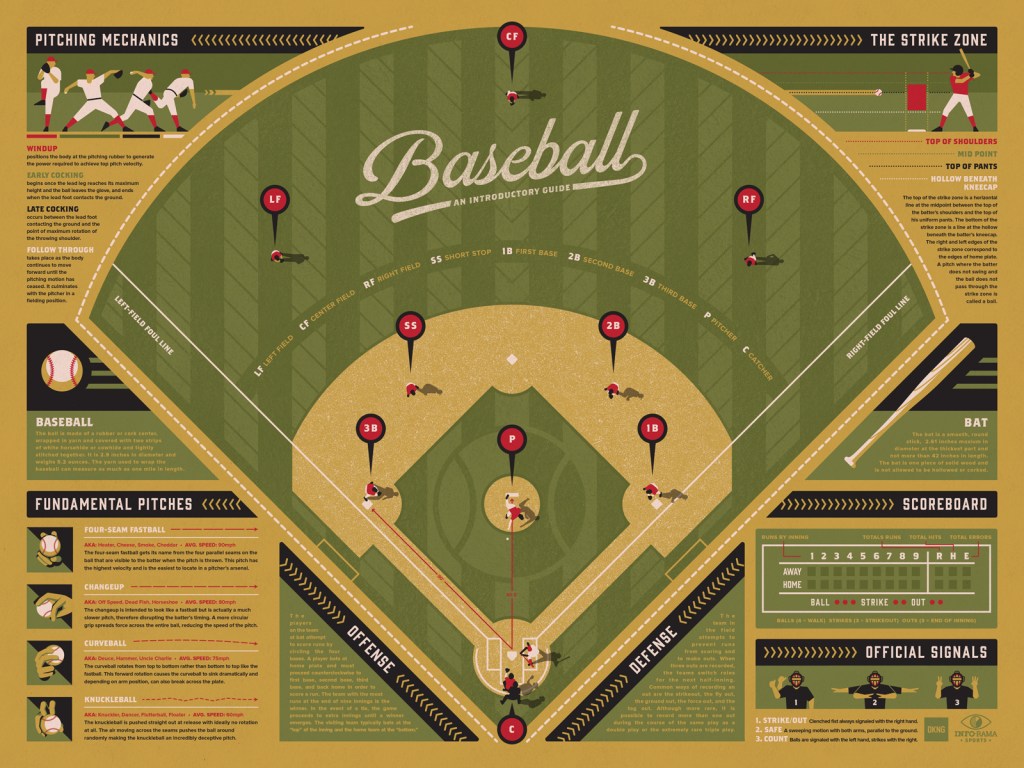
Baseball is a game played between two teams of nine players each. Each team takes turns batting and fielding. The batter stands in the batting box and tries to hit the ball thrown by the pitcher from the other team. If the ball is hit, the batter runs around the four bases in a counter-clockwise direction to score a run. The team with the most runs at the end of nine innings (when each team has had a chance to bat and field) is the winner.
The teams that are in the field are divided into two groups. The first group is the infielders. Infielders are positioned around the inner edge of the diamond-shaped playing field. They include the pitcher, catcher, first baseman, second baseman, shortstop, and third baseman. The second group is the outfielders. Outfielders are positioned around the outer edge of the diamond-shaped playing field. They include the left fielder, center fielder, and right fielder. The third group is the designated hitter. The designated hitter is a player who bats in place of the pitcher.
The game is timed by Innings. An inning is a rotation of both team fielding and batting. The home team bats in the second half of the inning and the away team bats in the first half of the inning. In the course of an inning a team bats until there are 3 outs. A batter or player is deemed out when a defender gets the ball to another defender prior to an offense player reaching a base or a defender catches the ball after a hit prior to the ball touching the ground. Three outs in an inning ends a team’s chance to score, and three strikes on a batter also results in an out. A strike is called when a batter does not swing at a pitch and it is within the strike zone, while a ball is called when a pitch is outside the strike zone. A strike is also when a player swings at a pitch and misses. The opposite of this is a ball (not to be confused with the object that’s thrown around). If a pitch is thrown outside of the agreed upon zone, the batter is rewarded with a free look. If a batter has 4 of these, they go to first base without having to make a hit.
Baseball is a game full of nuance and outlying strategies. Here are a few things you could see in every game.
- Stealing bases – A runner can attempt to advance to another base if the pitcher does not throw the ball in time.
- Force outs – When a runner is on a base, a fielder can force the runner out by throwing the ball to the base the runner is attempting to reach.
- Hit and run – The hit and run is a strategy where the runner attempts to advance while the batter attempts to hit the ball.
- Bunting – Bunting is an offensive strategy where the batter attempts to hit the ball in a way that it rolls slowly toward the infield, allowing the runner to advance.
- Pitching – Pitchers are able to throw the ball and have the ball do different movements. They could throw it super fast and straight. They can make the ball curve. They can make it move without rotations. All of these movements are designed to confuse the batter.
Baseball is also a game of numbers and stats. A few statistics regularly followed are below.
- Batting Average (BA): The number of hits divided by the number of at-bats.
- On-Base Percentage (OBP): The percentage of the time a batter reaches base safely, regardless of how he got there (hit, walk, hit by pitch, etc.).
- Slugging Percentage (SLG): The total number of bases (singles, doubles, triples, home runs) divided by the total number of at-bats.
- On-Base Plus Slugging (OPS): The sum of a player’s on-base percentage and slugging percentage.
- Earned Run Average (ERA): The average number of earned runs a pitcher allows per nine innings.
- Walks Plus Hits Per Innings Pitched (WHIP): The average number of walks and hits allowed by a pitcher per nine innings.
- Strikeouts Per Nine Innings (K/9): The average number of strikeouts a pitcher has per nine innings.
- Win-Loss Record (W-L): A pitcher’s total number of wins and losses.
- Quality Start (QS): A start in which a pitcher goes at least six innings and allows three
Baseball is popular in many countries, especially in the Americas. In particular, it is a popular sport in the United States, Canada, Japan, the Dominican Republic, Cuba, Mexico, Puerto Rico, and Venezuela. It is also popular in several countries in Central and South America, as well as in some countries in Asia and the Caribbean. I hope this primer will help you understand this beautiful game.
-
35 things you should have at home and ready to independently survive a catastrophic event.

1. First aid kit
2. Flashlights
3. Batteries
4. Candles and matches
5. Cell phone and charger
6. Extra cash
7. Non-perishable food
8. Water purification tablets
9. Extra clothing and blankets
10. Fire extinguisher
11. Whistle
12. Portable radio
13. Emergency tools such as a wrench or pliers
14. Maps of the local area
15. Copies of important documents
16. Extra eyeglasses and/or contact lenses
17. Prescription medications
18. A working fire alarm
19. A list of emergency contact numbers
20. Sanitation supplies
21. Emergency shelter
22. A sturdy garbage can
23. A generator
24. A shovel
25. A multi-tool
26. A car emergency kit
27. Wood for a fireplace
28. Frozen proteins
29. Guns and Ammunition
30. An escape plan
31. Military Rations
32. A meeting point for your family if you’re ever separated and this happens
These Final 3 are ideal state if you have the financial means or network!
33. Have a coop farm you can escape to
34. Have a helicopter based close escape plan followed by a more long distance air plane plan
35. Have one of these locations in multiple continents
-
Here 4 effective negotiating tactics when buying a new or used car
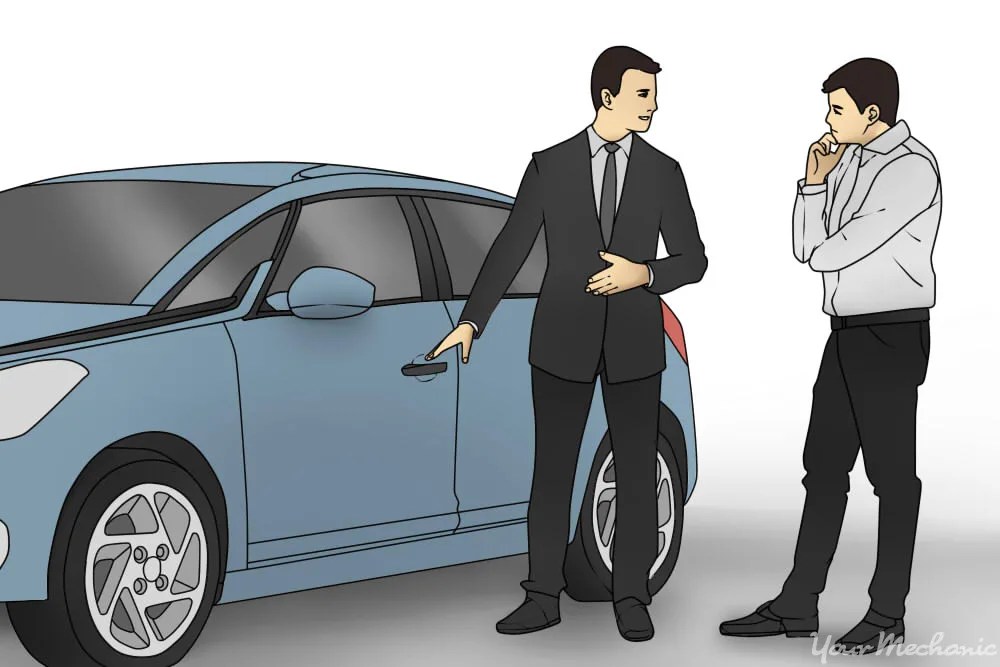
- Research the car’s market value: Research the market value of the car online to get a better understanding of what a fair price for the car may be. Knowing the car’s market value can also help you negotiate a better deal.
- Information asymmetry – Don’t let the dealer have more information.
- Have your financing pre-arranged: Having your financing pre-arranged before you go to the dealership can give you more leverage in the negotiation process.
- Take away a strategic advantage – A dealers financing department is one of their primary profit centers
- Don’t be afraid to walk away: Don’t be afraid to walk away from a deal if the dealership is not willing to meet your expectations. It can be a powerful negotiating tactic.
- The take away – A car in the lot is a liability, your cash is an asset
- Negotiate the price, not the payment: Negotiate the price of the car, not the monthly payment. This will help you get the best deal.
- The end number is all that matters
- Research the car’s market value: Research the market value of the car online to get a better understanding of what a fair price for the car may be. Knowing the car’s market value can also help you negotiate a better deal.
-
Subscribe
Subscribed
Already have a WordPress.com account? Log in now.
 How To Be A Grown Man